
There are conversations families often put off because they feel uncomfortable.
“Are you feeling steady on your feet?”
“Have you had any near misses?”
“Would it help to have someone check the house?”
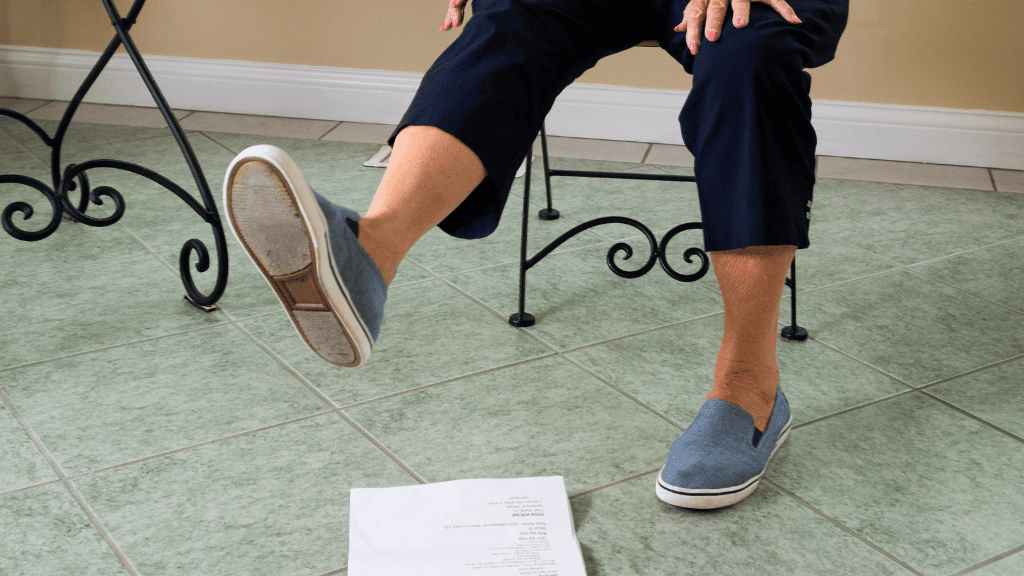
I understand why people hesitate. No one wants to make a parent feel old. No one wants to sound like they’re taking over. And when Mum says, “I’m fine,” or Dad says, “I just tripped,” it can feel easier to let it go. But after more than 20 years as an Occupational Therapist, I’ve learnt something important.
The warning signs usually appear long before the fall.
The loose mat. The low armchair. The shower step that’s becoming harder to manage. The hallway that’s too dark. The person quietly “furniture walking” through the house while insisting they’re managing just fine.
I’ve also seen what happens after the fall.
Sometimes it’s a fracture. Sometimes it’s a head injury. But often, the greatest loss isn’t physical—it’s confidence.
People stop going for walks. They avoid the garden. They become hesitant about showering or driving. Families begin checking in more often. Life gradually becomes smaller.
That’s why I think of falls prevention as an insurance policy for independence.
You hope you never need it, but you’re very glad it’s there.
Why this conversation matters now
Australia’s population is ageing, but the next generation entering aged care is very different.
Baby Boomers are more active, more health literate and more determined than previous generations to remain independent for as long as possible. They expect to stay involved in decisions about their care, and they’re far more willing to participate in programs that help them maintain their health rather than simply respond to decline.
This is exactly why reablement has become the centrepiece of Support at Home.
The conversation is shifting from:
“What support does this person need?”
to
“What can we help this person continue doing for themselves?”
I believe falls prevention sits at the heart of that shift.
It’s not about wrapping people in cotton wool or reducing independence. It’s about giving people the strength, confidence and environment to keep living the life they choose.
We know what works
Falls remain the leading cause of injury-related hospitalisation and death among older Australians.
The encouraging news is that we know a great deal about how to reduce that risk.
It’s rarely one intervention that makes the difference. The best outcomes come from combining strength and balance training, safer home environments, medication reviews, vision care, good nutrition, appropriate equipment and, importantly, helping people regain confidence in movement.
The earlier we start these conversations, the greater the opportunity to prevent the first serious fall.
I worry that, too often, we still think about falls prevention too late.
We wait for the fracture.
We wait for the ambulance.
We wait until confidence has already been lost.
The better conversation starts much earlier.
Why this matters for providers
For aged care providers, falls prevention is no longer simply a clinical issue. It’s a strategic one.
Under Support at Home, success isn’t measured by how much support we provide. Increasingly, it’s about how well we help people maintain independence, avoid unnecessary hospital admissions and continue living safely in their own homes.
Falls prevention underpins all of those outcomes.
It influences reablement, restorative care, quality indicators, consumer confidence and, ultimately, a person’s ability to remain at home for longer.
A collective responsibility
Falls prevention isn’t just the responsibility of allied health professionals.
It’s a conversation for families, carers, providers, community organisations and policymakers alike.
At Recovery Station, we see every day how the right combination of exercise, home safety, equipment, education and multidisciplinary care can help people continue doing the things that matter most to them.
Falls prevention may never be the newest topic in aged care.
But I believe it remains one of the most important.
Because when we prevent a fall, we’re rarely just preventing an injury.
We’re protecting confidence.
We’re protecting choice.
And most importantly, we’re protecting a person’s ability to keep living life on their own terms.
For more information, call us on 1300 588 851.
Until next time,
